
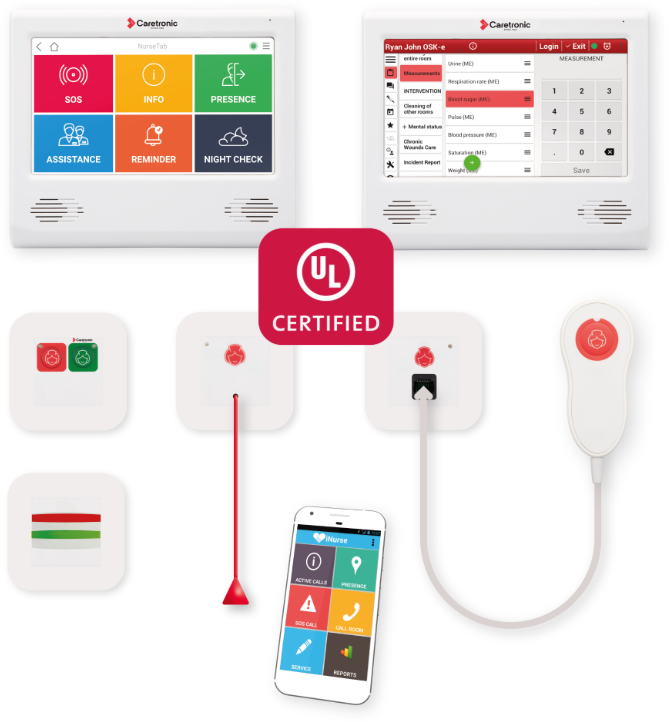
Call nurse system provides efficient alert management, prioritizing critical notifications and supporting integrated workflows. Modern equipment integrates with mobility solutions and facility devices, allowing alerts to be delivered efficiently to the right personnel. Its flexibility, clinical responsiveness, and long-term operational value offer users several advantages, including cost efficiency across its lifecycle. Designed for reliability and interoperability, the system supports responsive, data-informed, patient-centered care.
Wireless nurse call systems have an inclusive design that supports diverse communication needs, improving communication quality and overall accessibility. To guarantee optimal coverage, they integrate seamlessly with other equipment and become part of a hospital information ecosystem. Facilities should prioritize customized features when selecting a solution for long-term use. These will fit perfectly with the institution’s specific procedures.
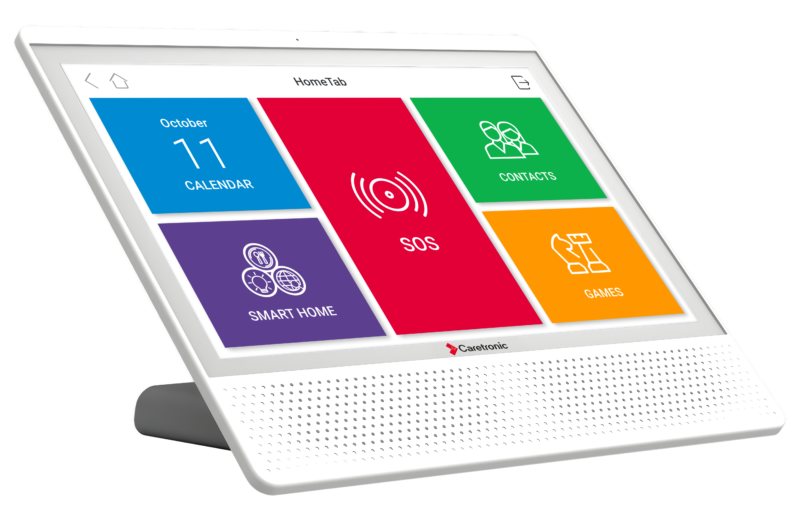
The Role of a Nurse Call System in High-Dependency Areas
Call nurse system in high-dependency areas functions as an integrated clinical communication platform, workflow coordinator, safety mechanism, and data capture system. High-dependency areas are the most clinically intense environments and include operating theatres, intensive care units, neonatal intensive care, and high dependency units. In these settings, seconds matter, and patients require a rapid clinical response, which means communication equipment carries life-preserving significance.
A nurse calling solution ensures that alarms generated by personnel, patients, or bedside equipment are transmitted instantly to the appropriate medical staff. It provides immediate human intervention rather than passive observation. High-dependency care is multidisciplinary. Wireless nurse call systems break down communication barriers and enhance structured coordination. They send out simultaneous notifications, which reduces the time between recognition and intervention. By prioritizing important alerts, clinicians can immediately differentiate between urgency levels.
Wireless Nurse Call Systems Fit Perfectly into Smart Hospital Infrastructure
Wireless nurse call systems operate as integrated communication hubs. Healthcare institutions are becoming data-driven, highly connected environments. Their connection extends beyond electronic patient records. It encompasses real-time location tracking, integration with monitoring equipment, automated logistics, building management solutions, and predictive analytics.
Advanced technology enhances safety, streamlines workflows, supports analytics, and strengthens infrastructure resilience. By integrating digital technologies, such as a call nurse system, hospitals and care homes improve communication, enhance patient-centered care, and ensure future scalability. Wireless solutions generate operational data that support workflow optimization, performance monitoring, and reporting.

NurseCare Is the World’s Most Advanced Nurse Call System
Call nurse system NurseCare is an interactive IP-based call system that streamlines health information management and healthcare administration. By doing so, it eases the workload of nursing and care professionals, ensures patient safety, optimizes work processes and costs, improves healthcare quality, and digitalizes maintenance tasks. It also enhances operational efficiency, reduces alarm fatigue, balances workload distribution, and ensures that procedures meet regulatory and quality standards.
The DIN VDE-certified nurse call solution enables interoperability, reliability, remote management, and scalability. This is especially crucial for medical institutions growing over time, where equipment must work seamlessly. Operating under limited budgets, these institutions can purchase only the necessary equipment and features, with the option to add more later. Facilities can choose between an entry-level and an advanced level, and can upgrade from one system to another after installing.
How Wireless Systems Perform During Power Failures
Nurse call system performance depends on established design standards and guidelines. These regulatory frameworks influence the way solutions are engineered, installed, and maintained. Critical signaling functions in healthcare settings must be supported by power continuity measures, as required by these standards. Electrical power is essential in medical facilities, making power failures a significant concern. During a power interruption, essential machinery must remain operational so patient safety is not compromised.
A power failure has several risks, including loss of communication between patients and caregivers, inability to signal emergencies or changes in condition, and failure to indicate system faults. A call nurse system failure could violate regulatory requirements, so facilities implement multiple layers of resilience for the power supply. Wireless nurse call systems are designed to support continuous operation and system reliability, even during power interruptions.

Understanding the Maintenance and Lifecycle Costs of Nursing Call Solutions
Call nurse system is an integral part of patient safety and operational efficiency. Proper management and upkeep of the system help ensure consistent performance, support operational efficiency, and contribute to high-quality patient care. These types of solutions are not singular devices but assemblies of components, which are subject to environmental stress, wear, technology obsolescence, and changes in clinical practice. The lifecycle of the nurse call system starts with installation and integration. The cost of installation depends on the size of the facility, the features chosen, the configuration, and the integrated network.
Maintenance encompasses routine checks, repairs, battery replacements, software updates, and servicing of mechanical and electronic parts. Nursing solutions represent a continuous investment for medical environments. Their performance affects patient experience, staff workload, and operational effectiveness. Understanding the factors driving maintenance and lifecycle costs is vital for ensuring reliable service throughout the lifespan of these solutions.