
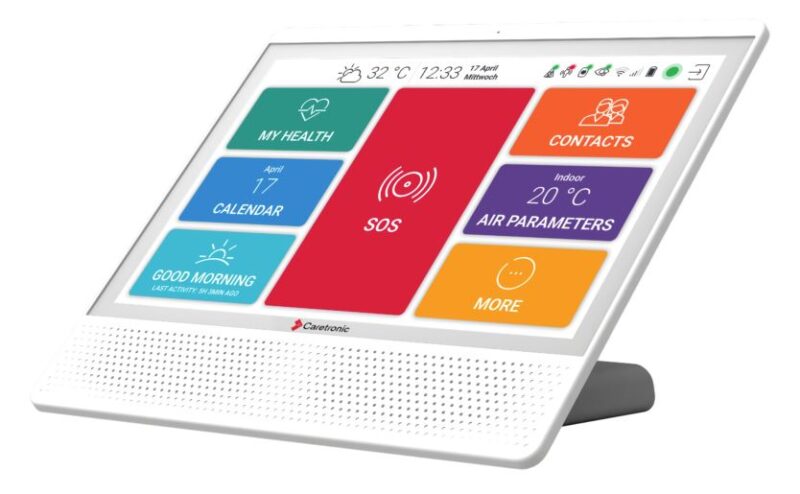
A nurse call light system is a distinctive solution that optimizes resources by efficiently aligning personnel, time, and information. Implementing one in nursing and healthcare facilities ensures timely responses, enhances resident safety, and streamlines staff workflows.
A nursecall system represents a strategic investment that requires careful budgeting. When planned and implemented effectively, it optimizes procedures, improves patient outcomes, reduces avoidable costs, and ensures operational efficiency and patient safety. By selecting a system that adapts to future needs, medical institutions can avoid costly replacements. Customized solutions from nurse call systems manufacturers provide clear economic and operational benefits, enhance patient care, support regulatory compliance, and enable sustainable future growth.
Nurse Call Systems Manufacturers Help You Save Resources
A nurse call light system improves communication in healthcare facilities while helping save resources. Medical institutions face constant pressure to operate efficiently at full capacity, balancing time, personnel, equipment use, physical movement, and information accuracy, all of which can strain budgets. Smart technology ensures clear and reliable communication: when a patient requests assistance, a nurse responds promptly, and care is delivered without delays.
That is why nurse call systems manufacturers have developed solutions that minimize long corridor walks, unnecessary room checks, repetitive tasks, and ongoing administrative duties. Modern devices transform communication into structured, actionable data, ensuring the right information reaches the right person. Intelligent routing reduces response times, eliminates unnecessary interruptions, and optimizes staff allocation. By streamlining workflows and improving predictability in daily routines, these systems save time, preserve equipment, collect valuable data, and significantly lower operational costs.
The Cost and Long-Term Value of a Nursecall System
As nurse call systems manufacturers, we understand the economics of our products, including both their initial cost and long-term value. When implemented strategically, these systems deliver significant operational benefits and provide measurable savings that outweigh the initial investment. The upfront cost varies depending on the facility, as each institution has unique requirements. Some may need basic equipment, while others require more comprehensive and complex solutions to operate efficiently. Traditional wired systems often demand substantial infrastructure investment, whereas IP-based equipment offers a more flexible cost structure.
Considering patient safety, time savings, and workflow optimization, the long-term value of a nurse call light system becomes clear. Efficient communication and reduced response times directly impact costs by preventing complications such as medication errors or falls, protecting high-value resources, and ultimately improving patient outcomes.
9 Essential Tips for Planning Your Healthcare Technology Budget
As nurse call light system manufacturers, we understand the challenges medical facilities face when budgeting and planning technological upgrades. That is why we developed one of the most flexible, modular nurse call solutions on the market. Choosing a system requires careful planning and a clear understanding of the investment, which represents long-term value. When budgeting, consider the following:
- Facility requirements
- Features based on current needs, with the option to add others later as needs evolve
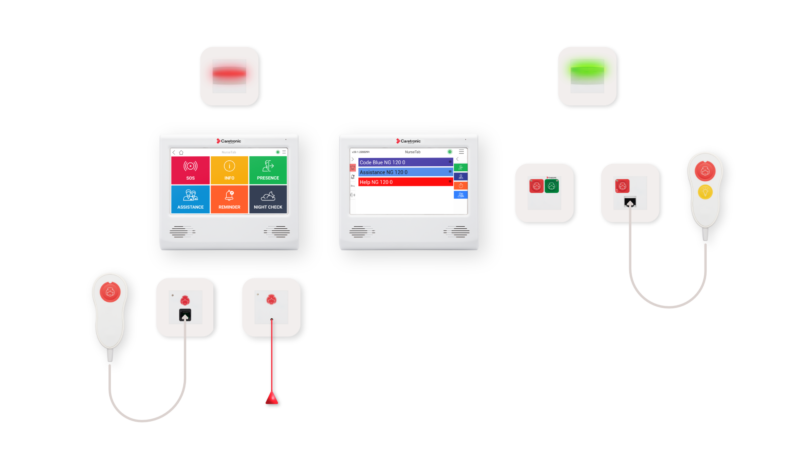
- Hardware needs, including buttons, mobile devices, room units, panels, and touchscreens
- Wireless and wired systems
- Complexity of installation, including whether cabling is required
- Comprehensive personnel training
- Maintenance
- Support
- Future scalability
Careful planning helps ensure a smooth installation, maximizes efficiency, and delivers lasting operational and financial benefits.
Future-Proofing the Facility with a Scalable Nursecall System
A nurse call light system must be reliable, flexible, scalable, and future-proof. Healthcare environments are complex and constantly evolving, with changing regulations, diverse patient needs, and ongoing technological advancements. Scalable equipment ensures that a facility can grow and adapt over time while maintaining performance, creating both operational and financial resilience.
Scalability allows a facility to expand or adjust without the need for a full equipment replacement. A nursecall system should be modular and flexible, enabling the addition of features, devices, or call points as needs change. Scalable solutions also support integration with other hospital technologies. Planning for growth ensures seamless operation during future installations, minimizes downtime, enhances communication efficiency, and improves response times, ultimately supporting higher standards of care.

The Role of Nurse Call Systems Manufacturers in Reducing Litigation Risks
A nursecall system can play a key role in reducing litigation risks. Many legal issues in healthcare begin not with major errors, but when patients feel unsafe or neglected. Delayed responses, unmet needs, and communication failures are often the root causes of claims. When systems are properly engineered, installed, and used, they support personnel accountability, enhance patient safety, and promote practices that are easier to defend against costly complaints and legal actions.
Litigation often arises from unmet expectations. A nurse call light system creates a reliable audit trail by recording critical data, helping prevent high-value claims. Advanced systems can integrate with fall detection sensors, bed exit alarms, and other wearable devices, providing multiple layers of protection. These solutions ensure caregivers respond promptly to patient needs, monitor changes in condition, and escalate concerns when necessary. By adopting modern technology, healthcare facilities can improve communication, reduce emergencies, and provide peace of mind for patients and families. Selecting the right system is a vital step in enhancing care standards and overall resident satisfaction.