

The nurse call wireless system provides real-time monitoring and reporting, which are crucial for safety and reliable healthcare management. The system is designed to integrate with existing hospital infrastructure and digital healthcare environments. It supports structured alert management and configurable call forwarding to ensure timely response.
Escalation protocols of nurses call systems reinforce reliability, while data logging and reporting features support quality improvement and operational oversight. Real-time call visibility and system reporting support proactive care and workflow coordination.
System data and reporting tools help management evaluate workflows and response times. The equipment overcomes spatial challenges through nurse call buttons, hybrid approaches, strategic device placement, visual and auditory alerts, accessible devices, a clear layout, and integration with other machinery.
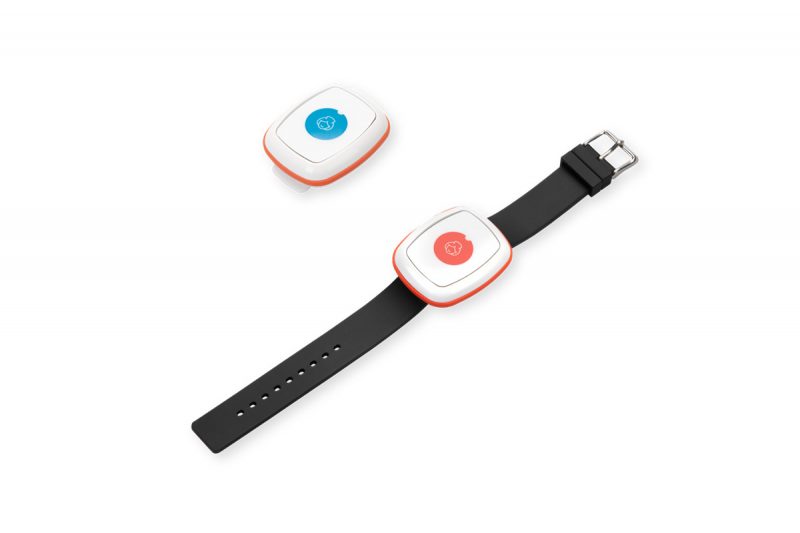
Key Components of Nurses Call Systems NurseCare
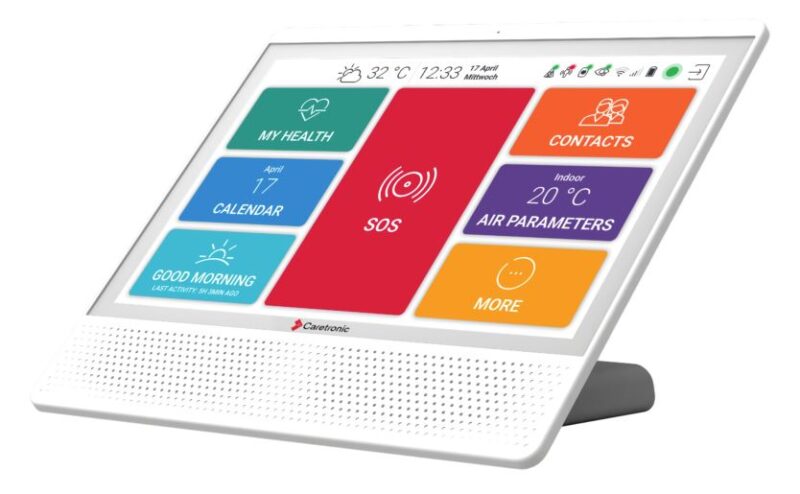
The nurse call wireless system has many components, making it an advanced IP nurse interactive solution. By digitalizing health information management and administration, it eases workflow, relieves personnel, and ensures safety. Designed for clinics, hospitals, and care homes, the equipment consists of a touchscreen display, call buttons, alarms, sensors, a management platform, an application, InfoTab, and a management system.
NurseTab is an interactive touchscreen display. Just like each piece of NurseCare, it has a user-friendly interface, designed for those with less technological experience. Nurse call buttons are available in wired or wireless options, including versions with security wristbands, and can be provided at a basic or advanced level.
NurseLog is an alarm management platform meeting the higher safety standards. iNurse is a smartphone mobile application that enables staff to respond to emergency calls, and InfoTab is an interactive corridor display that indicates the location and details of the alert. A comprehensive solution for digital care management is a smart management system that enables e-documentation of all services.
Nurse Call Buttons and Automated Alerts Support Early Intervention
Nurses call systems focus on centralizing multiple tasks in one single solution, providing effective management, optimized work procedures, and patient-centered care. Timing is critical, making early intervention an essential part of patient-centered care. Early intervention refers to responding to risk indicators at an initial stage, before severe deterioration occurs. Subtle changes in physiology, behavior, or activity precede critical events. Automated solutions are engineered to detect these signals and immediately report them to personnel.
The system supports configurable alert parameters and sends immediate notifications when predefined conditions are met. The system enables continuous availability of patient call functionality and supports timely detection of alerts triggered by connected devices and sensors. Automated alarms work according to predefined configurations based on individual risk assessments, medical guidelines, or escalation scoring systems. When a call or connected sensor is activated, the system generates an alert categorized according to predefined urgency levels.

Nurse Calling Solutions Are Changing Patient Expectations
The nurse call wireless system is essential to how patients perceive their care, how personnel perform their tasks, and how healthcare services improve outcomes. Changes in perceived safety and response times give patients a tangible sense of security. They are empowered through communication and proactive care that anticipates their needs.
NurseCare is developed in accordance with applicable regulatory and safety standards. Patients expect medical solutions to continually improve, reflecting the latest understandings of medical workflows, usability, and human factors. The machinery must also meet their expectations regarding clear communication, faster and measurable responses, proactive safety features, a seamless digital experience, and personalized alerts tailored to their needs.
Understanding Priority Levels in Nurses Call Systems
Nurse call buttons, once pressed, send alerts into a structured priority system that goes directly to medical staff devices. The priority levels determine who responds, how swiftly, and with what degree of urgency. Priority levels in call alarms are a clinical judgment translated into digital language.
A priority level is a degree of urgency assigned to an alarm. The nurse call wireless system has different priority levels depending on the patient’s needs and regulatory requirements. Priorities are defined during configuration. Their structure resembles a hierarchy, with routine calls at the base level that require assistance with general comfort. The next level includes safety concerns that require quicker assistance, and above that are urgent medical alarms generated by connected devices or configured system inputs. Higher-priority calls can be configured to notify designated response teams immediately.
Nurse Call Buttons Align with Patient Safety Goals
Nurses call systems create measurable frameworks for response and accountability. Patient safety is a multidimensional goal that includes maintaining patient dignity, preventing falls, avoiding clinical deterioration, controlling infections, and ensuring medication safety.
These are all reinforced and supported through features such as configurable alerts, reporting tools, and system integration with multidisciplinary medical staff. By aligning workflow, technology, and clinical governance, call machines transform alerts into structured, measurable, and actionable responses.
The nurse call wireless system enhances the patient experience by providing a fast and dependable way to request assistance at any time. Simultaneously, it helps healthcare teams handle workloads more effectively and address urgent needs without delay. Selecting a high-quality system is crucial to delivering care that is both responsive and patient-centered.