

A nursing call light system integration improves workflow and fosters a calmer, safer healthcare environment. By reducing noise and increasing awareness, it supports proactive care, lowers response times, prioritizes urgency, routes alerts intelligently, and enables optimization. These systems enhance communication, facilitate quick, informed decisions, and promote continuous improvement.
The nurse call system restores control in a dynamic setting, boosts staff morale, and helps reduce burnout. It transforms constant interruptions into manageable workflows while minimizing alarm fatigue. By limiting unnecessary exposure and decreasing noise levels, it emphasizes relevance, enabling greater focus and more personalized care. A nurse call alarm system collects vital data and analyzes information, allowing facilities to optimize efficiency and deliver a positive patient experience.
Creating Calmer Care Environments with a Nurse Call System
A nursing call light system provides clear signals that ensure timely responses and shared understanding. Effective communication is critical in healthcare, and integrated solutions foster calmer, smoother work environments while supporting better care systems. The connection between caregivers and patients improves information flow and heightens awareness. When a patient presses the button to initiate a call, the device pinpoints the exact location and alerts staff to any associated risk indicators. Corridor lights and display panels offer visual confirmation, completing a comprehensive alert system.
Calm environments with seamless operations reduce anxiety and support recovery. A nurse call alarm system reassures patients that help is on the way while enhancing workflow through intelligent task routing. Alarms reach the right person at the right time and are prioritized based on urgency. Predictable work procedures allow straightforward workload redistribution and effective coordination.
The Role of a Nurse Call Alarm System in Improving Response Times
A nurse call system influences response times, workload, and risk management. It reduces the gap between a patient’s request for help and staff arrival. Response times in healthcare settings directly impact safety and trust. Delayed responses can lead to falls, anxiety, unmanaged pain, or clinical deterioration. Escalation pathways and early intervention ensure faster recognition and smoother care delivery.
It is crucial that patients receive consistent care even during staff shortages or peak periods. Implementing advanced technology, such as a nursing call light system, allows medical facilities to structure alert handling efficiently during busy hours. Immediate attention can prevent emergencies before they occur. These solutions also provide detailed response time data, helping identify issues and enabling better-informed decisions.
Can A Nurse Calling Solution Improve Staff Morale?
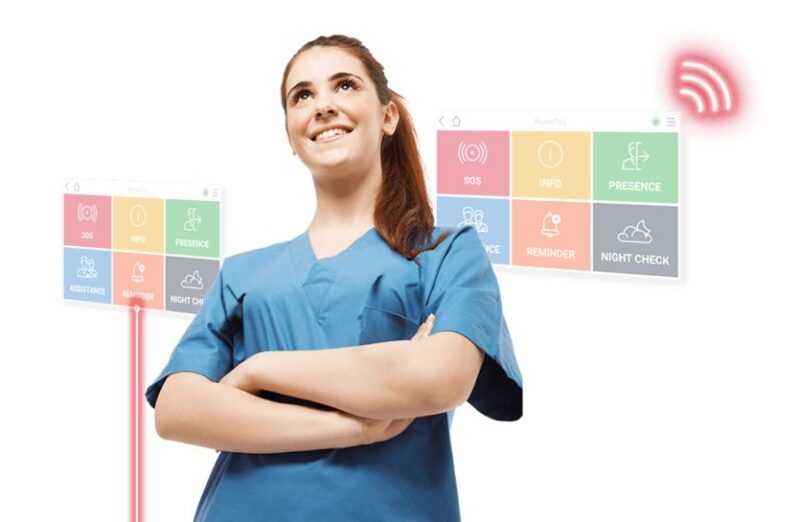
A nursing call light system can significantly boost staff morale. Healthcare facilities are demanding environments, both physically and emotionally. Time pressures, critical situations, high patient acuity, and constant interruptions contribute to fatigue and burnout. High morale and staff satisfaction have a direct impact on patient safety, organizational culture, trust, and absenteeism. Innovative technology acts as an effective workflow engine by assigning tasks, prioritizing urgency, integrating with mobile devices, and generating actionable data. Correctly routed alerts provide optimal control, which is a key factor in maintaining morale.
Well-configured equipment brings clarity and rhythm to daily operations, enabling caregivers to assist patients efficiently and accurately. It reduces unnecessary interruptions and ensures fair workload distribution, assigning calls based on role, availability, and location. Timely care decreases patient distress, enhances communication between patients and nurses, lowers emotional labor, and helps prevent burnout.
Reducing Alarm Fatigue with a Nurse Call System
A nurse call alarm system helps reduce alarm fatigue, one of the most overlooked challenges in healthcare. Staff working in environments filled with frequent lights, alerts, messages, and tones can become desensitized. Advanced solutions transform alarms into meaningful signals, ensuring they convey information rather than noise. Structured prioritization removes constant urgency, while calls categorized by risk and urgency prevent low-risk situations from triggering high-priority alerts.
Alarm fatigue worsens when staff receive alerts irrelevant to their role. Role-based routing ensures alerts reach the caregiver best suited for the task, reducing unnecessary notifications and restoring focus. A nursing call light system directs alarms to personal devices, offering discreet notifications instead of repetitive tones. This allows staff to acknowledge calls quietly or remotely, while providing patients with immediate reassurance that help is on the way.
A Nurse Call Alarm System for Data-Driven Performance and Optimization
A nurse call system generates a wealth of performance data that, when properly analyzed, becomes a powerful tool for staffing optimization and performance audits. It records information such as the date, time, and urgency of each call, patient location, assigned staff or role, response and completion times, escalation events, call frequency, and acknowledgment actions. This data helps measure response times, identify bottlenecks, monitor escalations, and evaluate the consistency of care delivery.
A modern nursing call light system plays a crucial role in improving patient safety, staff responsiveness, and overall care quality. By streamlining communication between patients and caregivers, healthcare facilities can reduce response times and prevent adverse events. Investing in the right call light technology supports better outcomes and long-term operational efficiency.